.png)
Are You Prepared for Today’s Cyber Threats? How to Strengthen Your Security Posture

Think your organization is secure just because you’ve installed antivirus software and set up a firewall? That assumption is more common—and more dangerous—than it seems. Today’s cyber threats are no longer limited to isolated attacks or obvious warning signs. They’re continuous, evolving, and often designed to go unnoticed until real damage is done.
In fact, from phishing scams and ransomware to data breaches and insider risks, modern threats target not just systems but also people and processes. And as businesses rely more on digital tools, cloud platforms, and remote access, the attack surface keeps expanding.
Hence, the real challenge isn’t just responding to threats—it’s staying prepared for them. That’s where strengthening your overall security posture becomes essential.
Having said that, let’s break down what that actually means and how you can approach it effectively.
1. Understand That Threats Are Constant
Cybersecurity is no longer something you review once a year or update only after an incident. Threats today are continuous, automated, and often scaled to target multiple organizations at once.
Attackers don’t always look for high-profile targets—they look for vulnerabilities. Even small gaps in your system can be enough to gain access.
Some of the common risks include:
Phishing attacks targeting employees.
Weak or reused passwords.
Outdated software and unpatched systems.
Recognizing that threats are ongoing shifts your approach from reactive to proactive. Instead of waiting for something to go wrong, you start building defenses that are always active and continuously improving.
2. Build a Strong Foundation With Proactive Security Measures
A strong cybersecurity posture isn’t built overnight—it’s developed through consistent, layered protection strategies. This includes not just tools, but policies and practices that work together.
Therefore, to strengthen your organization’s cybersecurity posture, you should focus on integrated approaches that combine risk assessment, threat monitoring, and continuous improvement rather than relying on isolated security tools. This shift reflects how modern cybersecurity works. It’s not about a single solution, but about creating a system where every layer supports the other.
In fact, some organizations working with reliable cybersecurity services providers like Aspire Technology Partners often adopt structured security frameworks that include ongoing monitoring, vulnerability management, and proactive risk mitigation. As a result, this helps ensure that security evolves alongside emerging threats.
All in all, key elements of a strong foundation include:
Regular vulnerability assessments.
Endpoint and network protection.
Continuous monitoring and alerts.
This layered approach reduces the chances of a single point of failure.
3. Focus on People, Not Just Technology
One of the biggest misconceptions about cybersecurity is that it’s purely a technical issue. In reality, human error remains one of the leading causes of security breaches.
Employees may unknowingly:
Share sensitive information.
Use weak passwords.
This makes awareness and training just as important as security tools. Organizations that invest in employee education see significant improvements in overall security.
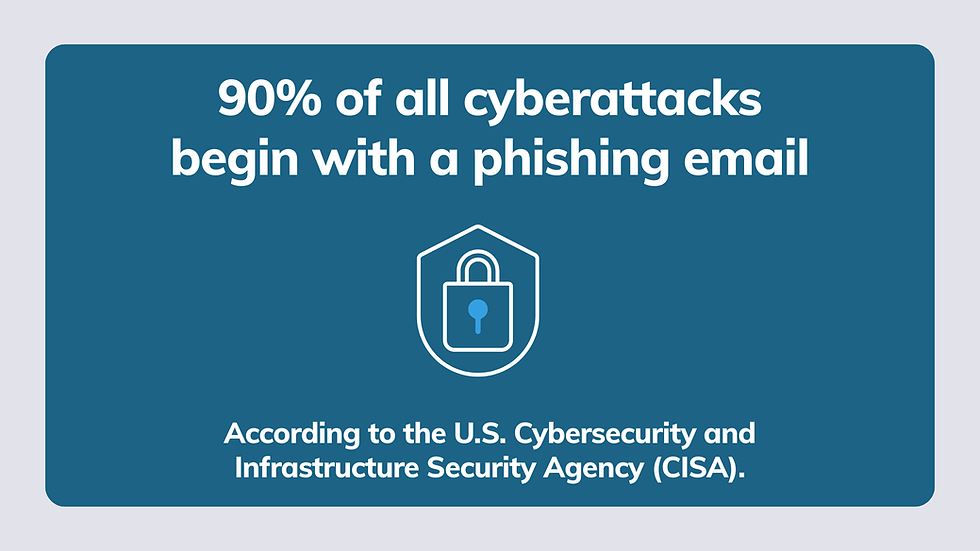
Simple practices—like recognizing phishing emails or following secure login protocols—can prevent many common attacks. Remember that cybersecurity works best when people understand their role in maintaining it.
4. Ensure Visibility Across Systems and Data
You can’t protect what you can’t see. One of the biggest challenges organizations face is a lack of visibility across their systems, especially when using multiple platforms and tools.
A strong security posture requires:
Centralized monitoring of systems.
Real-time insights into network activity.
Clear visibility into potential threats.
Without this, issues can go unnoticed until they escalate. Modern cybersecurity strategies focus on bringing everything into a unified view, allowing teams to detect and respond to threats more quickly.
This visibility also helps organizations make better decisions about where to invest in security improvements.
5. Continuously Adapt to Evolving Threats
Cyber threats are constantly changing, which means your security strategy needs to evolve as well.
What worked last year—or even last month—may not be enough today. New vulnerabilities, attack methods, and technologies require ongoing updates and adjustments.
This involves:
Regularly updating systems and software.
Reviewing and improving security policies.
Staying informed about emerging threats.
Organizations that treat cybersecurity as an ongoing process—not a one-time setup—are better equipped to handle future challenges.
To Sum It All Up!
Being prepared for today’s cyber threats isn’t about having the most tools—it’s about having the right approach. A strong cybersecurity posture combines technology, processes, and people into a system that can adapt, respond, and improve over time. It’s proactive, not reactive.
As digital environments grow more complex, the importance of staying prepared only increases. Because in cybersecurity, the goal isn’t just to stop attacks—it’s to stay resilient, no matter how threats evolve.
Sponsored Content Disclaimer
This article was contributed by a third-party business or promotional partner and is published on the Salesfully blog as part of a paid or collaborative content opportunity. The views, opinions, products, and services expressed are those of the contributing party and do not necessarily reflect the views of Salesfully. Publication does not constitute an endorsement, guarantee, or recommendation by Salesfully. Readers should conduct their own research before making business, financial, or purchasing decisions based on the information provided.


Comments